Assess your usage
from your bills

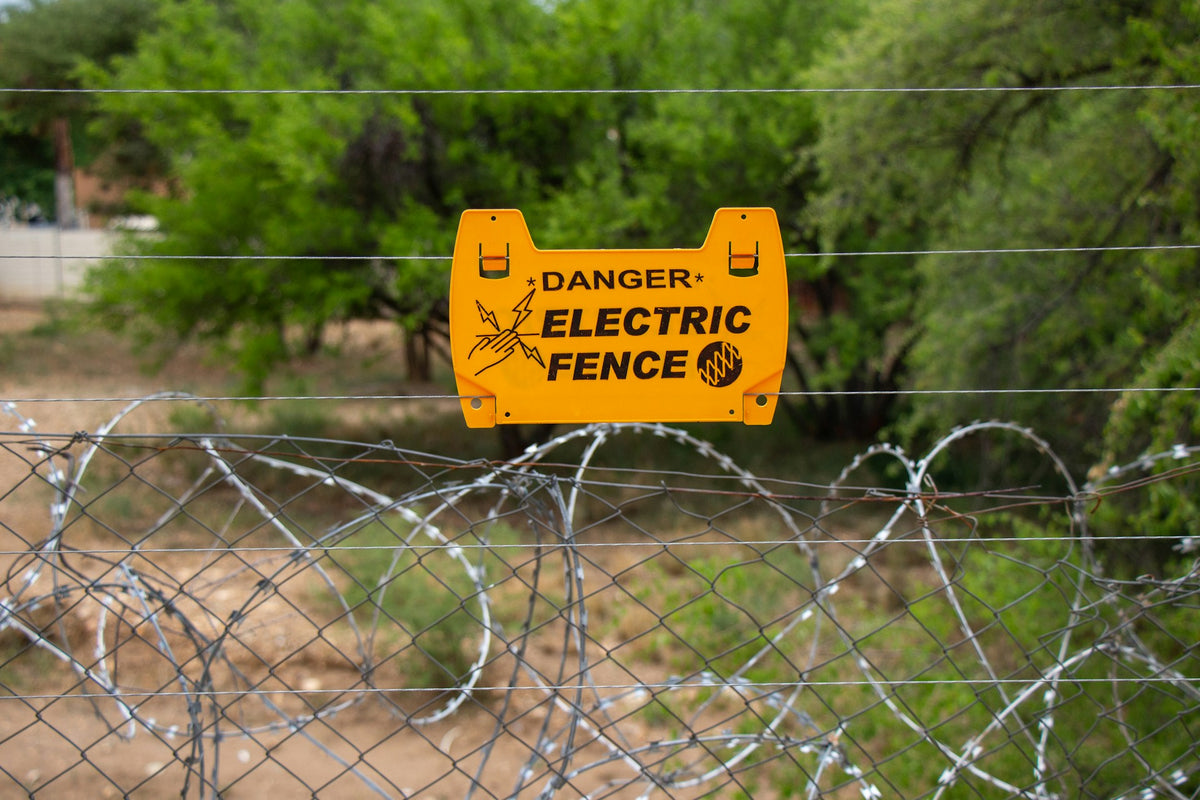
Electric fencing across Durban & KZN
An electric fence is often the first thing an intruder sees, and the first line of defence for your home or business. EagleEyeSolutions designs, installs and repairs electric fencing across Durban and KwaZulu-Natal, from wall-top fences on suburban homes to free-standing perimeters for estates, businesses and farms. Every installation is done by a registered electric fence installer, built to SANS 10222-3 and handed over with a Certificate of Compliance (COC) to keep on file.
A well-built electric fence deters intruders before they reach your walls, and gives your alarm and armed response an early warning when someone tries. Getting that protection depends on the details: the right energiser for the length of the fence, enough strands at the correct spacing, a proper earth system and clear warning signs. Shortcuts on any of these leave weak points and can make the fence non-compliant. For an honest look at the benefits, drawbacks and legal requirements, read our guide to the pros and cons of electric fencing.
We install residential and commercial electric fencing in Durban, Kloof, Hillcrest, Umhlanga and Ballito, with quality energisers, wire and brackets suited to the coastal climate. Every fence is tested, signed off with an electric fence COC and linked to your alarm if you have one, so it's legal, insurable and does exactly what it should.
from your bills
right kW, no waste
CoC and SSEG handled
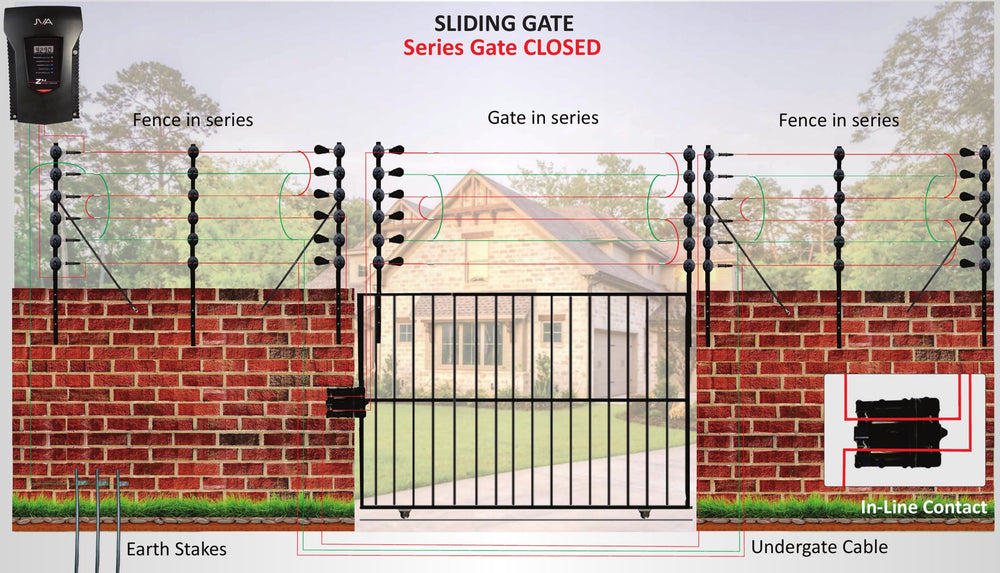
Wall-top electric fences for homes and complexes across Durban, designed around your walls, gates and level of risk.
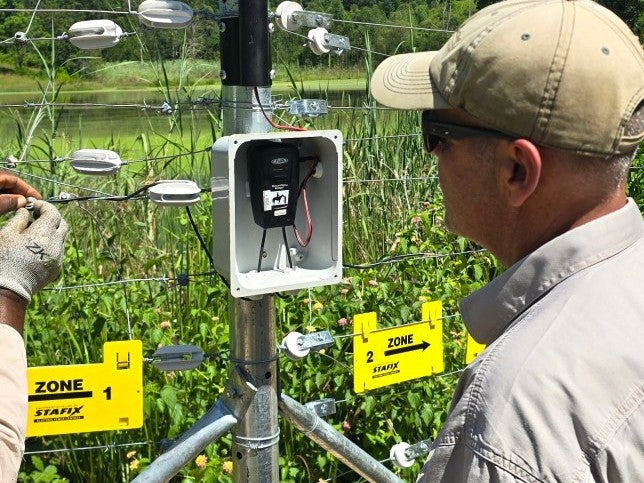
Broken wires, earth faults, failed energisers and flat backup batteries, found, fixed and fully retested by our technicians.
Inspections and certificates for new fences, alterations and property sales, issued by a registered electric fence installer.
The right design depends on what you're protecting and where.
Homes & complexes
Wall-top electric fence
Brackets mounted on existing walls
Businesses & estates
Free-standing perimeter fence
Stand-alone fence with more strands
Existing fences
Upgrade or extension
New energiser, strands or zones
For most homes, a wall-top fence on an existing boundary wall is the simplest and most cost-effective option. Under SANS 10222-3, the wall itself must be at least 1.5 metres high, and the number of strands, bracket type and energiser are matched to the length of the perimeter and the level of risk. Larger properties are often split into zones, so the alarm shows exactly where a fault or breach is. Free-standing fences suit businesses and estates without solid walls, while an older fence can often be upgraded with a new energiser, extra strands or more zones, for far less than the cost of replacing the whole fence. Whichever option you choose, it's installed, tested and certified by our team.
Not sure which fence your property needs? We'll assess it on site.
Book a site assessment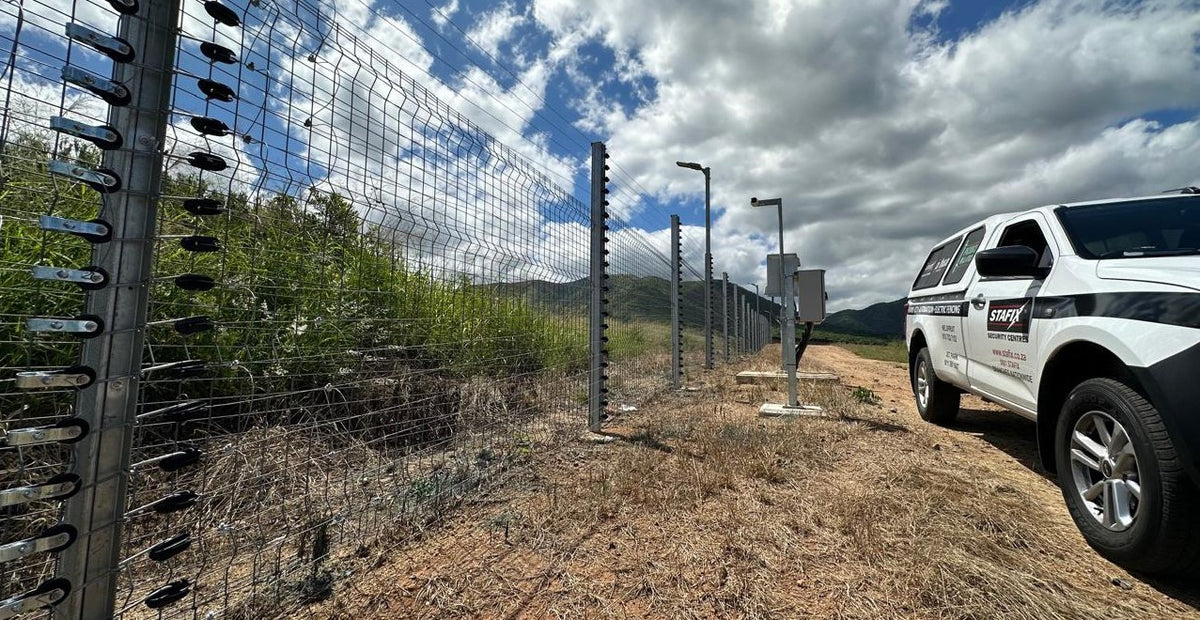
Most electric fence problems start small. Vegetation touching the wires, a snapped strand or a corroded joint causes an earth leakage that drags the voltage down, triggers false alarms and weakens the fence without you noticing. Lightning, power surges and ageing backup batteries are the other common culprits, especially in the KZN summer storm season, when lightning strikes and power surges are at their peak.
Our electric fence repairs start with a full test of the system: voltage on every zone, the earth system, the energiser and its battery, gate contacts and the alarm link. We fix the cause, not just the symptom, then retest the whole fence. Regular servicing, ideally once a year, keeps the voltage up, the battery healthy and the fence fully compliant.
| Symptom | Likely cause | What we check | Typical fix | Urgency |
|---|---|---|---|---|
| Constant or false alarms | Vegetation or a wire touching the earth | Zone readings, wire contacts, brackets | Clear growth, re-tension or replace wire | High |
| Low fence voltage | Earth leakage, poor joints or weak earth | Voltage per zone, joints, earth spikes | Fix leaks, rejoin wire, upgrade earth | High |
| Fence completely dead | Tripped supply, blown fuse, failed energiser | Mains supply, fuses, energiser output | Restore power, repair or swap energiser | Urgent |
| Fence off in load shedding | Old or undersized backup battery | Battery health and charging circuit | Replace battery or add more backup | High |
| Damage after a storm | Lightning strike or a power surge | Energiser, lightning diverter, cabling | Replace parts, fit surge protection | High |
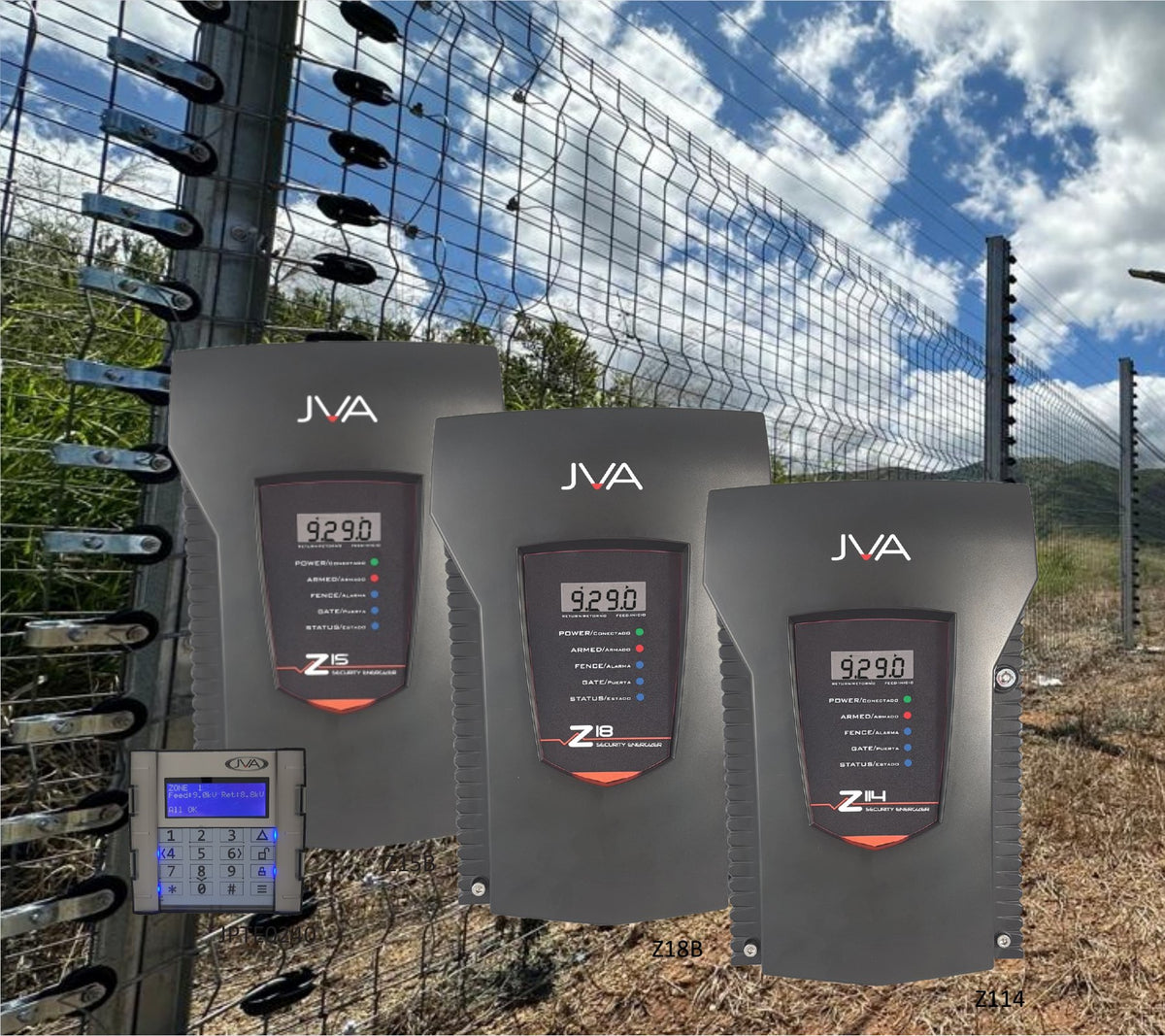
The energiser is the heart of an electric fence. It sends high-voltage pulses down the wire, monitors every zone and raises the alarm when the fence is cut, shorted or touched. Older energisers often can't power a longer fence properly, can't split it into zones and can't report to a modern alarm, so an upgrade is often the most cost-effective way to make an existing fence stronger, smarter and more reliable.
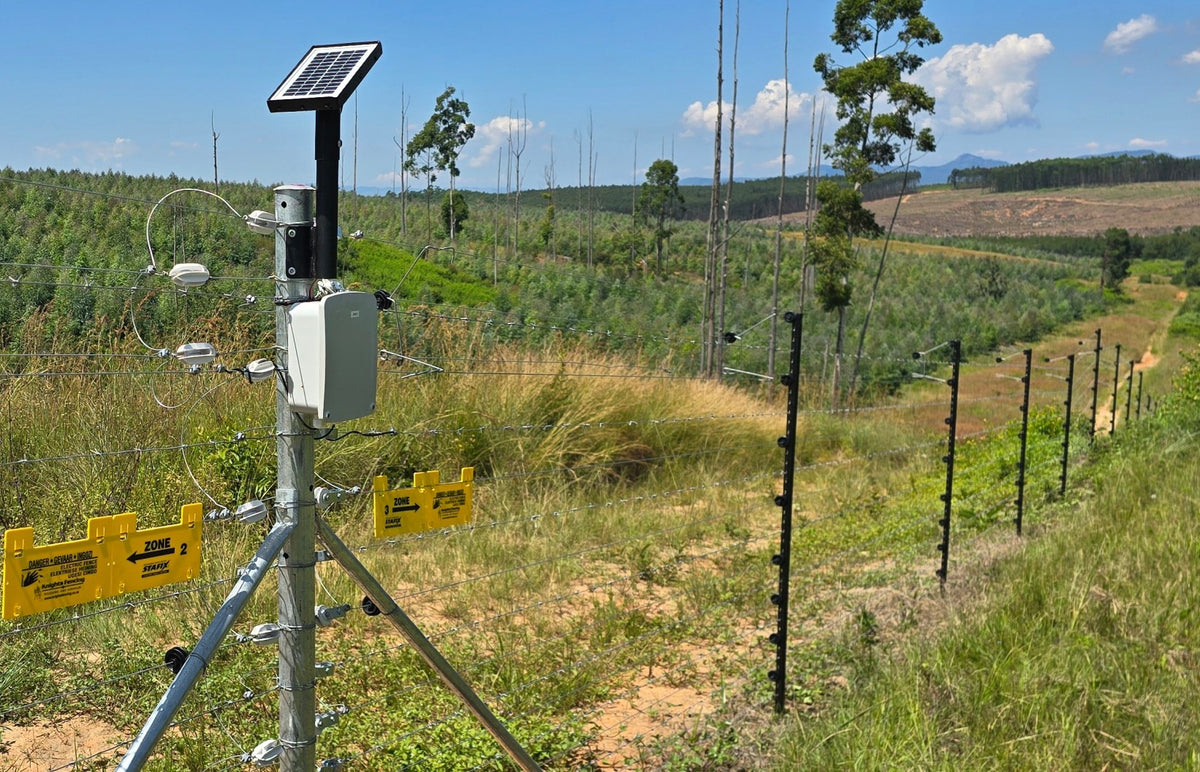
We fit energisers with battery backup so the fence stays live during power cuts and load shedding, and connect them to your alarm panel, armed response, CCTV or smartphone app. For farms, long perimeters and remote sites, solar-powered electric fencing keeps long fence lines live and monitored without needing any mains power.
Every component and accessory, installed and serviced
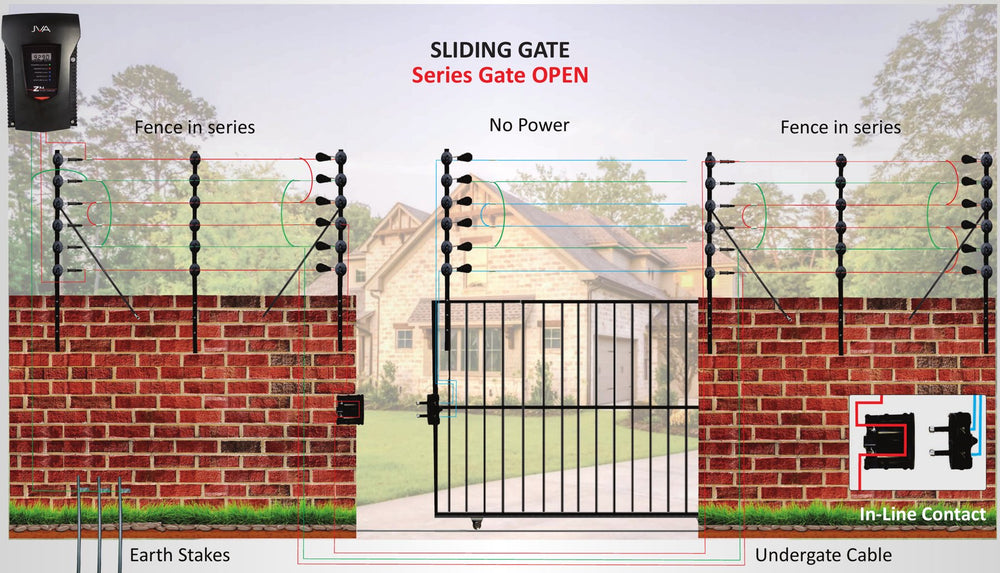
An electric fence is a complete security system, not just a few strands of wire. Every part has to work, and work together, for the fence to protect your property and pass a compliance inspection. A full installation or service covers all of them, from the energiser and backup battery to the earth spikes, gate contacts and the warning signs fixed to your boundary wall.
Mains and solar units sized to your fence, with zone monitoring.
Keeps the fence live through power cuts and load shedding.
Wall-top and free-standing hardware, built for coastal air.
Earth spikes installed and tested to SANS 10222-3.
Gate contacts, HT cable and secure corner strain points.
Compliant signage placed where the regulations require.
Links to your alarm, armed response, CCTV and apps.
Tell us about your property and we'll design the right fence.
Every electric fence installation follows the same four steps, whether it's a single-storey home or a business park. We start with a site assessment, measuring the perimeter, checking wall heights and gates, and agreeing where zones and the energiser should go. You then get a written design and a fixed quote. Our registered installers fit the brackets, wire, energiser, earth system and warning signs, then test every zone and connect the alarm. Finally, we issue your Electric Fence System Certificate of Compliance and show you how to arm, monitor and use the system.
perimeter, walls, gates and zones
written plan and fixed price
brackets, wire, energiser and earth
every zone tested, certificate issued
The price depends on your property and the setup you need. The main factors are the length of your perimeter, how many strands you need, whether the fence goes on a wall or stands on its own, the type of energiser, and extras like battery backup, alarm links and gate wiring. The best way to get an accurate price is a site visit and a written quote.
An electric fence sends short, high-voltage pulses along its wires, about once a second. Anyone who touches a live wire completes the circuit and gets a painful but non-lethal shock. The energiser also watches the fence all the time and sets off an alarm if a wire is cut, shorted or tampered with.
Yes. In South Africa, a new or changed electric fence needs an Electric Fence System Certificate, issued by a registered electric fence installer. You also need a valid certificate when you sell your property, so keep your copy safe.
The live wires facing a public area must be at least 1.5 m above the ground, so the wall usually needs to be about that high. Warning signs must also be placed along the fence. The municipality may have its own height rules for boundary walls, so check those before installing.
Yes, if it has a battery backup. The energiser runs off a battery during power cuts and recharges once the power is back. Batteries lose capacity over time, so test them regularly to keep the fence live through longer outages.
Yes, most electric fences can be repaired, whoever installed them. If the fence doesn't meet current regulations, some parts may need upgrading before a new certificate can be issued.
Have it professionally serviced at least once a year. Coastal homes need it more often, because salty, humid air speeds up rust on wires, insulators and connections. Between services, keep plants clear of the wires and check that the fence and alarm are working.
It's a good option where there's no mains power, such as on farms, smallholdings or large open properties. For most homes, a mains-powered energiser with battery backup is still the more reliable choice. A solar setup needs a properly sized panel and battery to keep the fence live overnight and through cloudy spells.
Yes. Most energisers can connect to your alarm panel as a zone, so a cut or tampered fence sets off your alarm and alerts your armed response provider. Some smart energisers can also send alerts straight to your phone.