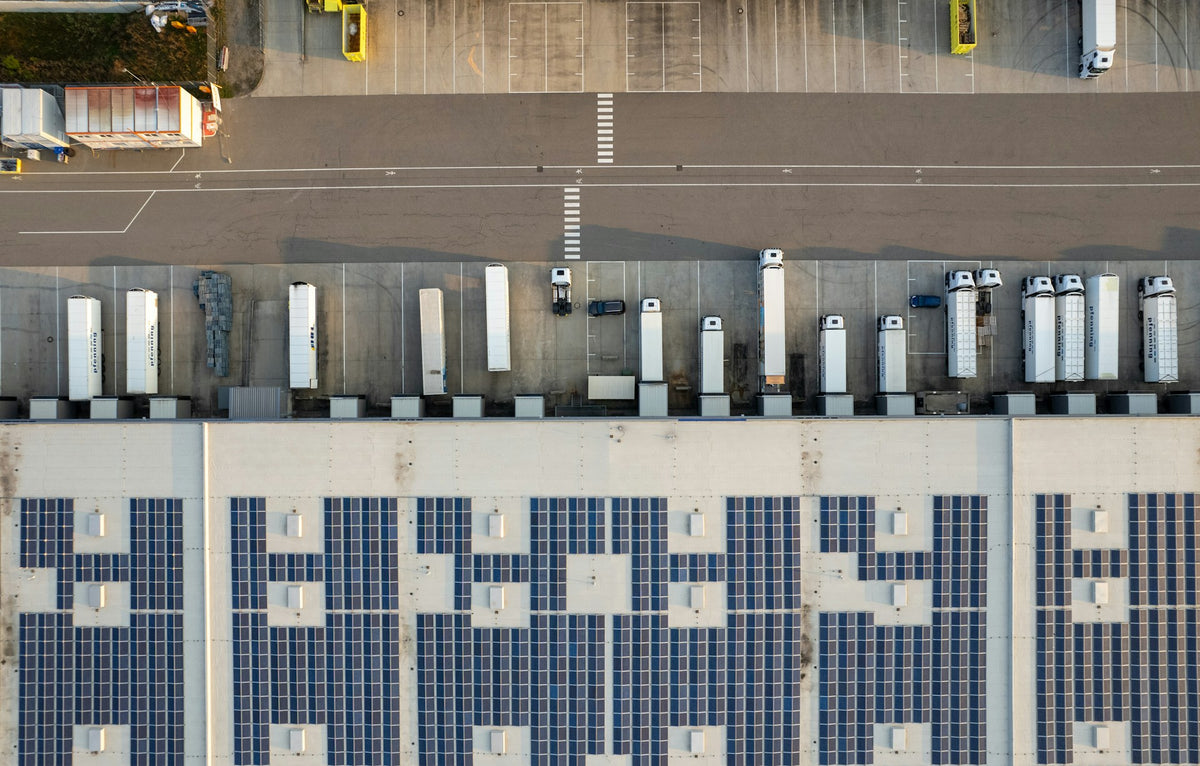
Warehousing and logistics
Big unshaded roofs and steady daytime loads from lighting, cold rooms and forklift charging mean almost all solar output is used on site, so your savings start from the very first month.

Solar for your business with no capital outlay
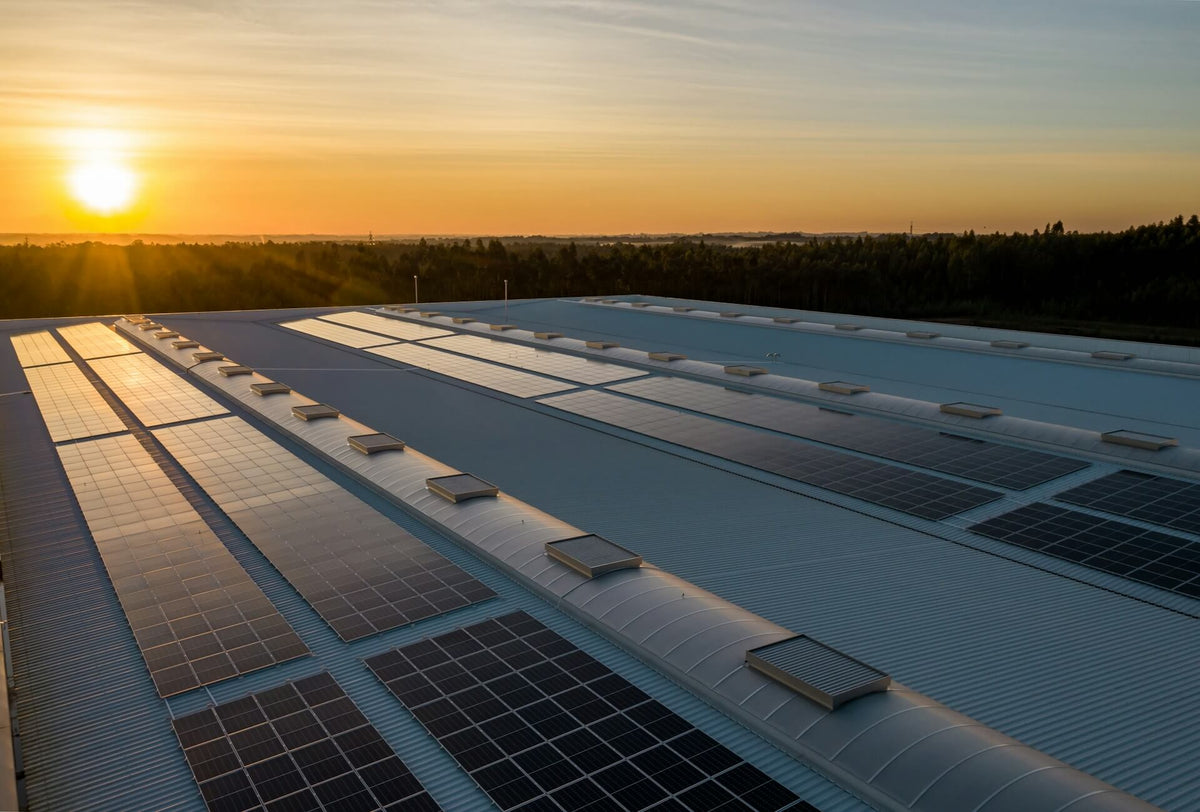
A commercial solar PPA (power purchase agreement) lets your business go solar with no upfront cost. A funder pays for, owns and maintains a solar PV system on your roof, and you pay only for the electricity it produces, at a fixed per-kWh rate set below your current grid tariff. EagleEyeSolutions assesses your site, designs the system and installs it for businesses across Durban and KwaZulu-Natal.
A solar power purchase agreement (PPA) is the most common way South African businesses go solar without buying the system. A funder pays for the panels, inverters and installation, owns the system on your roof, and maintains it for the length of the contract. You simply pay a fixed rate for each kilowatt-hour of solar power you use, typically below what you pay the grid today. PPA financing means the funder carries the cost of your rooftop solar system, not you. For businesses that want lower electricity costs but would rather keep capital for stock, staff or growth, a PPA is often the fastest way to go solar. We assess your site, model a PPA side by side with an outright purchase, and design and install the system to the same standard either way.
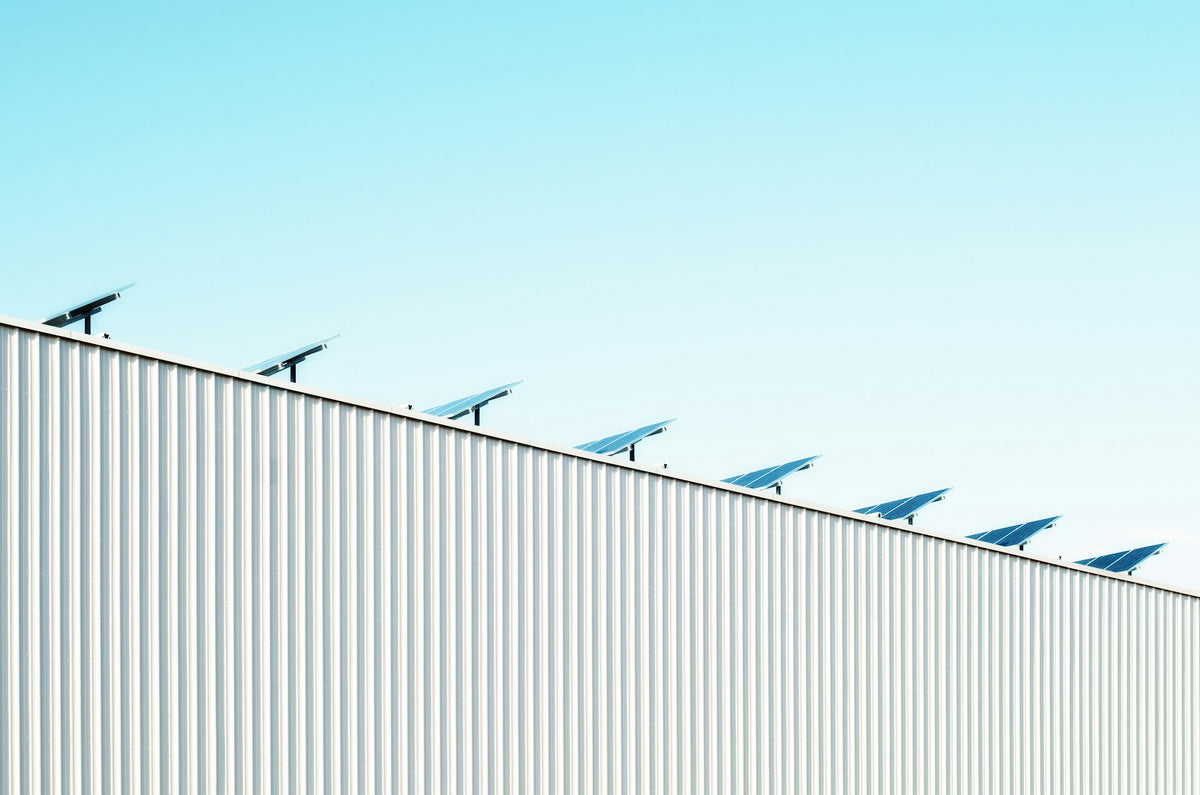
A commercial solar PPA delivers the biggest savings where a business uses most of its power in daylight. If your site has a large, sound roof, steady daytime demand and a long lease or ownership, you could cut electricity costs from the first month with no capital outlay.
Big unshaded roofs and steady daytime loads from lighting, cold rooms and forklift charging mean almost all solar output is used on site, so your savings start from the very first month.
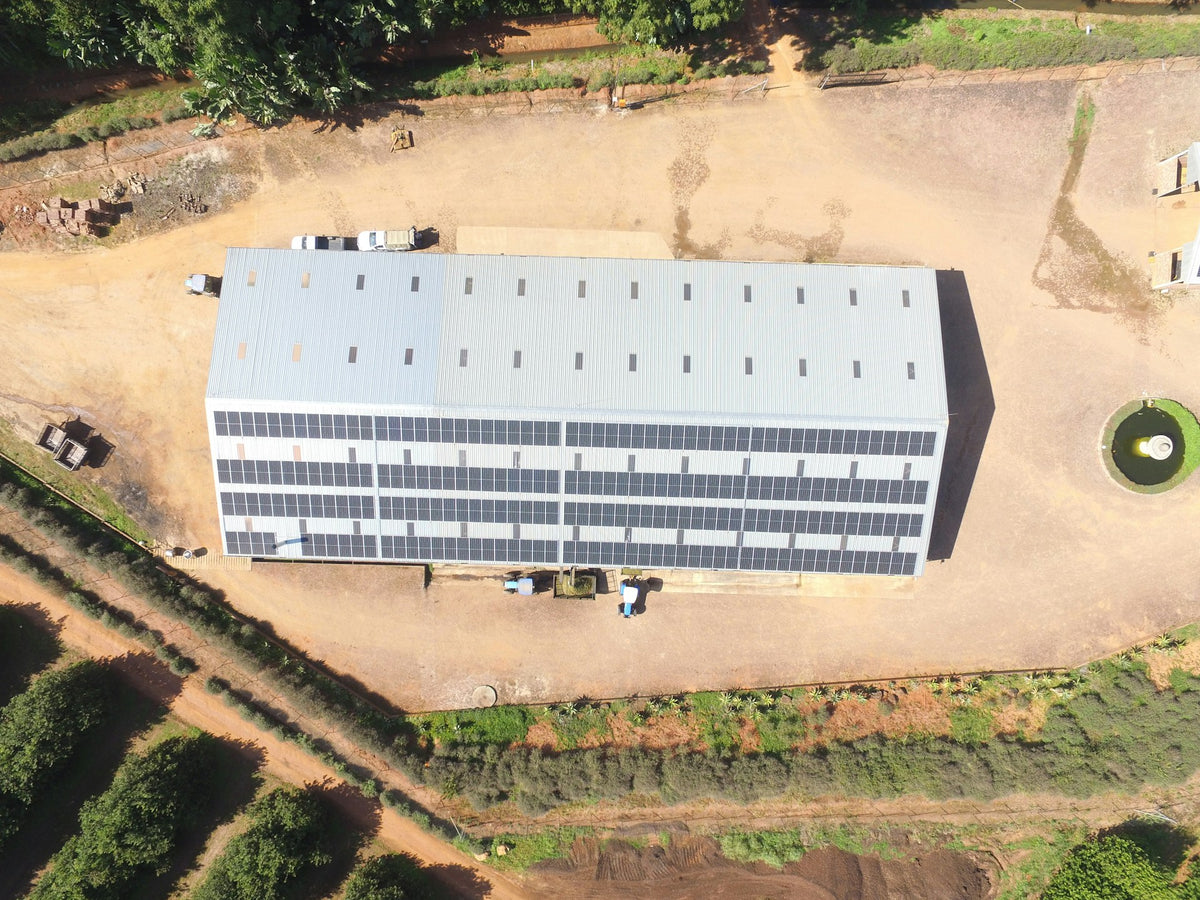
Single-shift factories run machinery, compressors and lighting through the day, so a PPA offsets costly grid power and locks in a fixed, predictable energy rate for much easier budgeting.
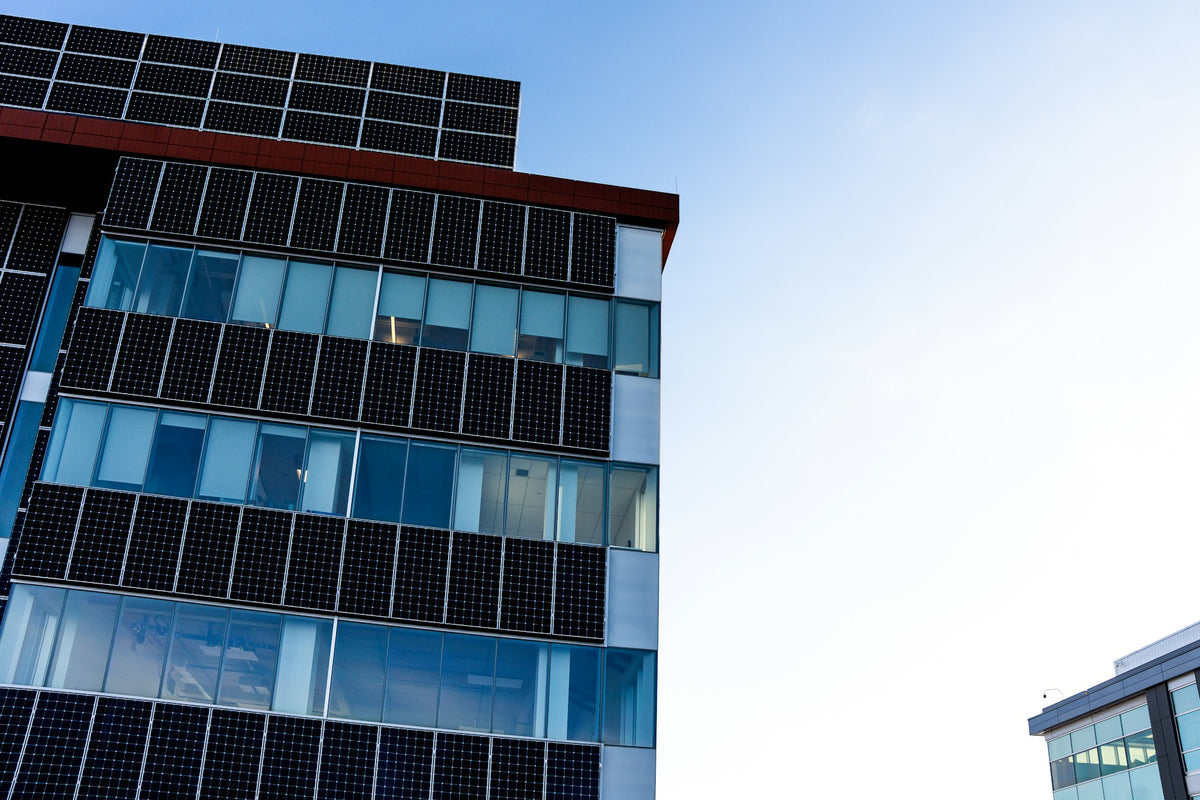
Air conditioning, lifts and lighting peak in daylight, so offices and shopping centres use most of their solar power on site, cutting monthly running costs with no upfront capital spend.
The funder pays for the panels, inverter and installation, so your cash stays in the business for stock, staff and new growth.
You pay a fixed rate for each kWh, with a set yearly increase, so your energy costs are simple to forecast for years ahead.
You pay for the solar power the system produces and you use, so if output ever falls short, the funder carries the risk.
Cleaning, repairs, servicing and monitoring are the owner’s job for the full term, at no extra cost to your business.
Usually, if your business uses most of its electricity during the day and would rather not spend capital on solar. You start saving from the first month without taking on performance or maintenance risk. If you have cash available and can use the Section 12B allowance, buying may save more over time, so compare both.
Not always, but you need a secure right to the roof for the full contract term. Owners qualify most easily. Tenants usually need a long lease and the landlord’s written consent, and funders may ask the landlord to sign the agreement as well.
This is set out in the contract before installation. Common options are transferring the PPA to the new owner or tenant, buying the system out at an agreed value or, less often, relocating it. Check these terms carefully, as leaving early can be costly.
Most agreements give you three options at the end of the term: buy the system, often at a reduced value, extend the agreement, or have the system removed. Many businesses choose to buy, as the panels keep producing for years after the contract ends.
No. You pay the PPA rate only for the solar power you use, and any shortfall at night or on cloudy days still comes from the grid at your normal tariff. Your account’s fixed charges also remain, so your bill drops but does not disappear.
Yes. Batteries can be added so solar keeps critical loads running during outages and covers part of your evening demand. Storage raises the system cost, so the PPA rate is usually higher than for solar only. A proposal can show both options so you can judge whether backup is worth it.